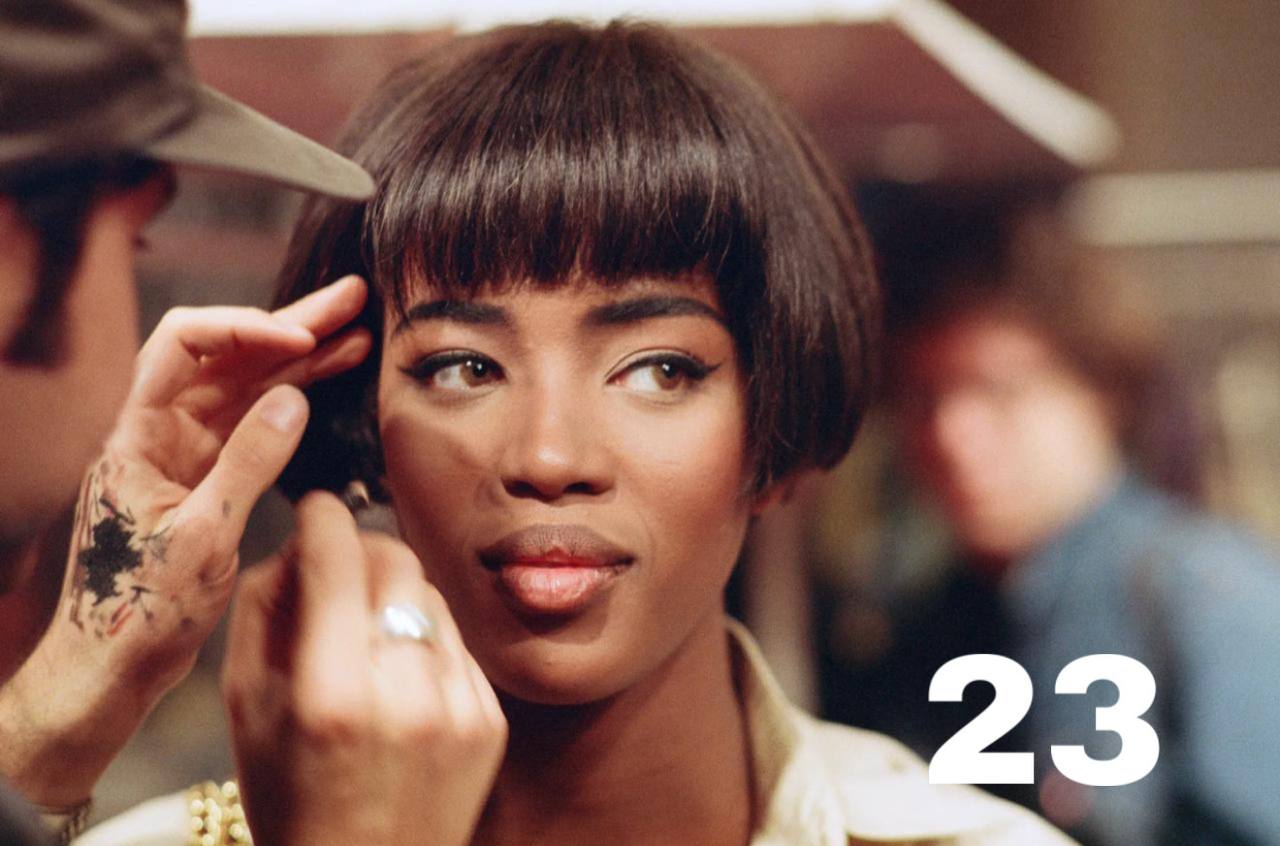
Naomi Campbell was born on May 22, 1970, in South London. She was raised by her mother, Valerie Morris, a Jamaican-born dancer, and grew up around stage and movement. She trained in ballet and performing arts as a girl, and that training later shaped the hip-rolling walk that became the most imitated on any runway.
At 15, she was spotted by a scout while window shopping in London’s Covent Garden after school. Within a year she was on the cover of British Elle. It was the start of a career that has now lasted more than four decades.
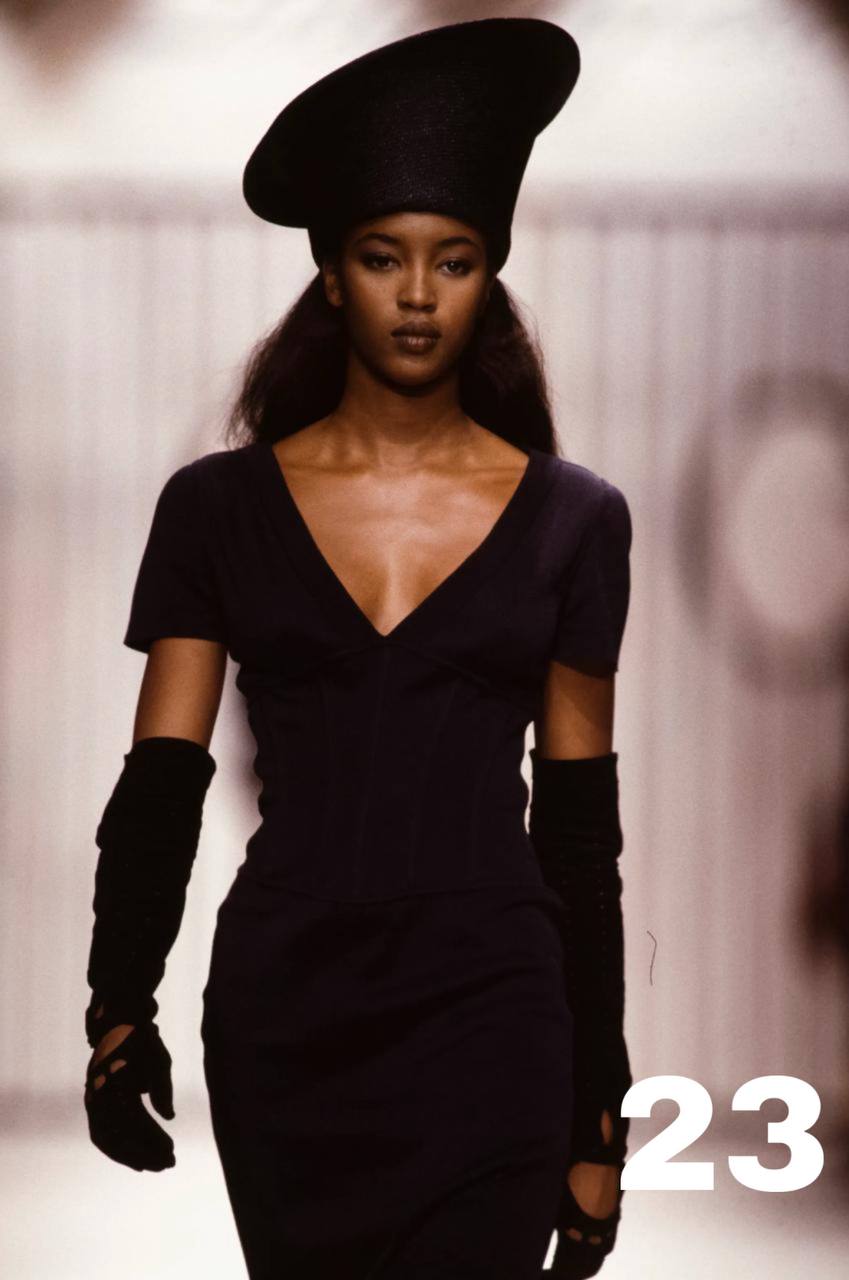
The late 1980s and early 1990s made her a household name. In 1987 she became the first Black model in over twenty years to appear on the cover of British Vogue. In 1988 she became the first Black model on the cover of French Vogue. In 1989 she was on the cover of American Vogue’s September issue, the most important issue of the fashion year. Together with Linda Evangelista and Christy Turlington, she formed the trio often called “The Trinity,” and alongside Cindy Crawford, Claudia Schiffer and Kate Moss, she helped define the supermodel era. Moments like the famous Versace finale of 1991 and George Michael’s “Freedom! ’90” video turned models into global celebrities.
Her career was never only glamour. She spoke openly about racism in the fashion industry and pushed designers and magazines to book more Black models. She also became known for a fiery temper. The Elite agency dropped her in 1993, and over the years she faced several assault charges and convictions, which she has acknowledged publicly. In 2004 she won an invasion-of-privacy case against a British newspaper. She also built a close friendship with Nelson Mandela, who reportedly treated her like a granddaughter, and she has carried that bond into her humanitarian work.
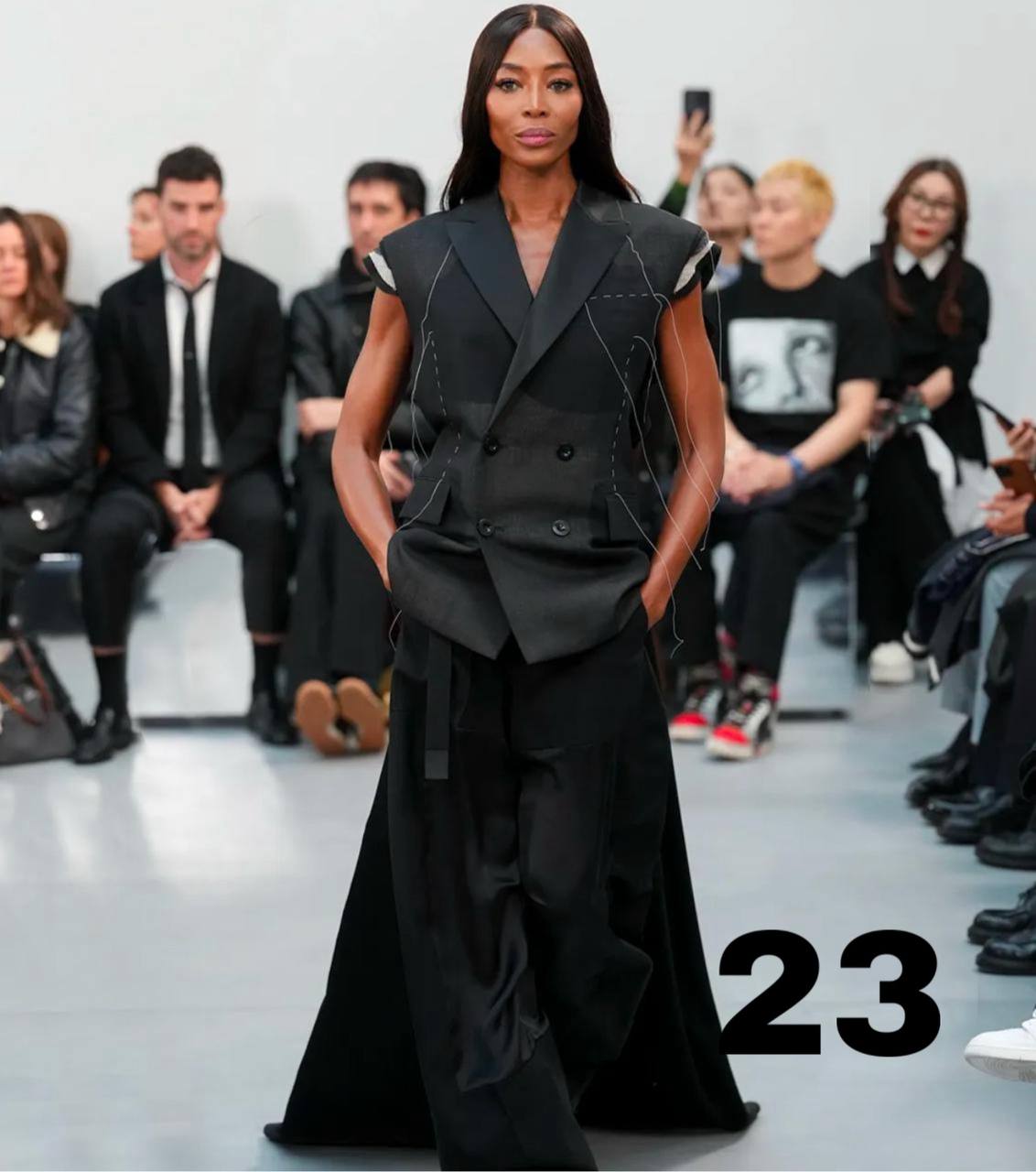
Her career has also gone well beyond the runway. She acted, recorded music, appeared on television, and mentored young models on the reality show The Face. In 2005 she founded Fashion for Relief, which staged charity fashion shows, beginning with a show for victims of Hurricane Katrina. In 2024 the Victoria and Albert Museum in London opened “Naomi: In Fashion,” the first exhibition there devoted to a model, which ran until April 2025.
Motherhood came late and quietly. In May 2021, just before her 51st birthday, she announced the birth of her daughter. In June 2023 she announced the arrival of a son. She has kept the children’s names and the details of how they were born private, and she has described motherhood as the best thing she has ever done.
That brings us to 2026, a year with both triumph and trouble. On the professional side, her position at the top of fashion has not weakened. She closed London Fashion Week for Burberry in February 2025, then opened Richard Quinn’s Spring/Summer 2026 show that September. She also starred in “Unfinished Business,” a 15-minute film by designer Tolu Coker, which explores motherhood, legacy and Black womanhood and shows a more personal side of her.
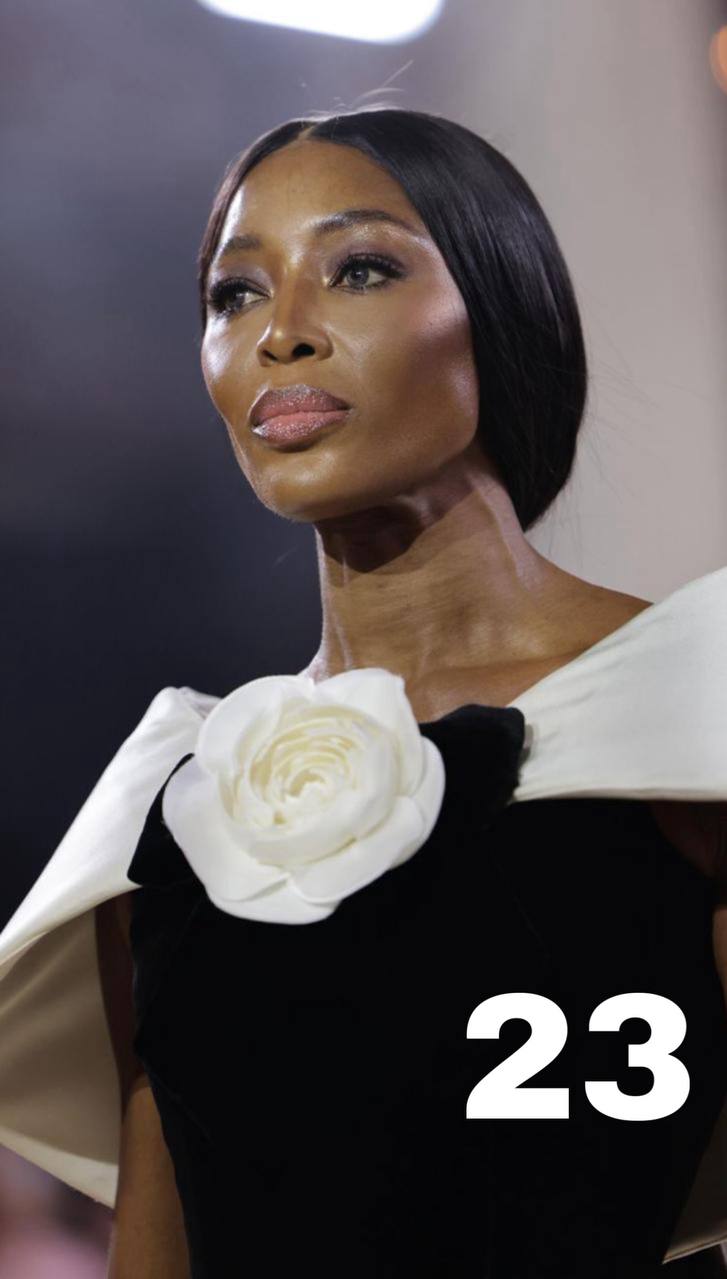
In February 2026 she became the first cover star of Elle Afrique Francophone, a pan-African edition of Elle covering 23 countries. She was styled by Law Roach, photographed by South African photographer Trevor Stuurman, and wore Chanel. For a woman who has spent years campaigning for African fashion to be taken seriously on the global stage, it was a symbolic moment. An English-language edition is planned for late 2026. She turned 56 on May 22, 2026.
The hardest chapter of her year is a legal one. In 2024, the UK Charity Commission disqualified her from serving as a charity trustee for five years after an inquiry into Fashion for Relief. The regulator found “multiple instances of misconduct and/or mismanagement” and said only about 8.5% of the charity’s spending went to charitable grants between 2016 and 2022. It also said charity money paid for expenses such as a luxury hotel stay for Campbell in Cannes. She called the findings “deeply flawed,” and said that as the face of the charity she was ultimately responsible, but that she was not involved in its day-to-day running.
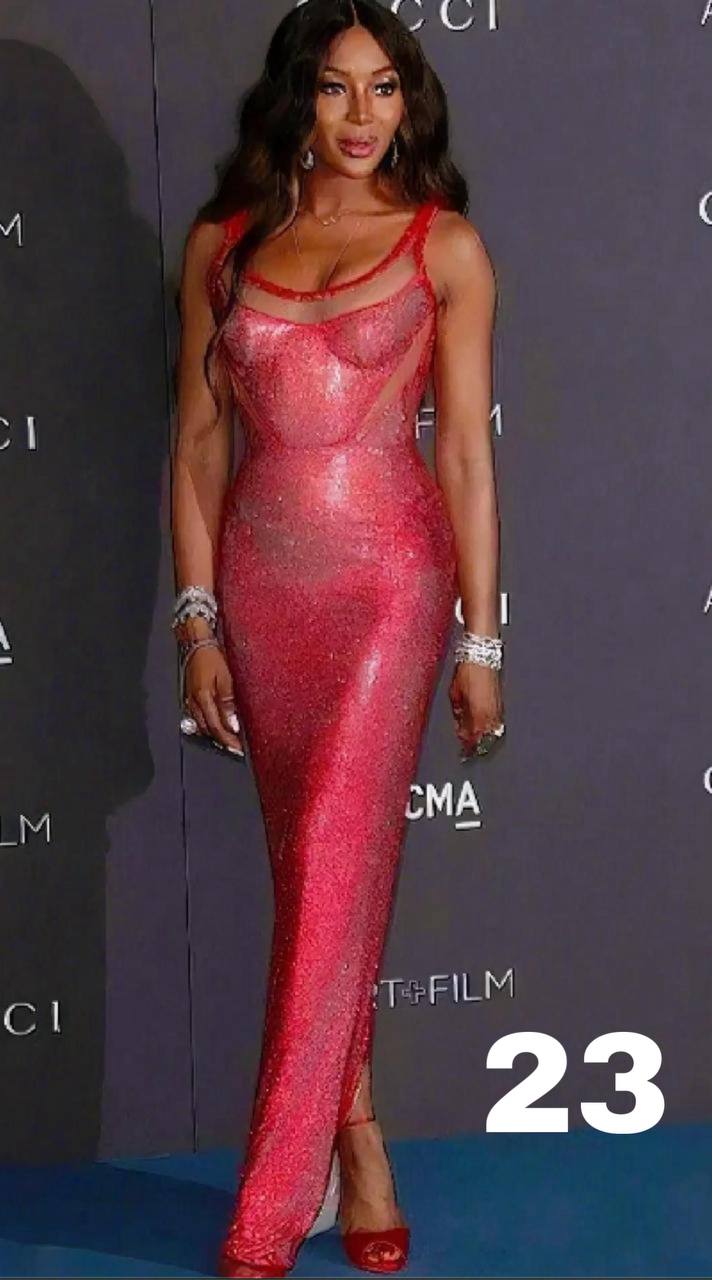
Campbell was granted permission to appeal in early 2025. She claims she was the victim of fraud and deception by a fellow trustee, who she says used a fake email account to impersonate her. That trustee has denied the claims. On June 16, 2026, Campbell gave evidence at a London tribunal, telling the court she was “deceived” and that she has never done philanthropic work for personal gain. The Charity Commission has said the case requires her to prove very serious allegations against another trustee.
Whatever the outcome, Naomi Campbell’s story remains one of the most remarkable in fashion: a teenager from South London who became a global icon, survived scandals and reinvented herself as a mother, mentor and advocate. In 2026, at 56, she is still walking, still working, and still fighting to protect her name.